Personalized Sedation Options

Nitrous Oxide
Often called laughing gas, nitrous oxide is a gentle, inhaled sedation option that can help ease anxiety and promote relaxation while you remain conscious and responsive. It takes effect quickly and typically wears off soon after the gas is stopped. When appropriately administered, nitrous oxide is considered a safe and effective method of managing anxiety and discomfort during dental treatments.
Oral Conscious Sedation
Oral conscious sedation uses prescribed medication taken before your appointment to create a deeper sense of relaxation. You remain conscious and able to communicate with our dental team, but you may feel drowsy and have little memory of the procedure afterward. Because the effects can last beyond your appointment, you will need someone else to drive you home.
IV Sedation
IV sedation delivers medication through a vein, allowing your dental team to closely adjust the level of sedation throughout treatment. This can be a great option for patients who experience significant dental anxiety or who are undergoing longer or more involved procedures. Because IV sedation can cause significant drowsiness and impaired coordination, patients will need to be accompanied by a trusted friend or family member and should follow all post-treatment instructions carefully.
OraVerse®
OraVerse is different from the sedation options above. It is an anesthetic reversal medication used after certain dental procedures to help shorten lingering numbness in the lips and tongue caused by local anesthetic containing a vasoconstrictor. With reduced post-treatment numbness, patients can get back to their normal routines, including eating snacks and meals, much faster.

Who Is a Candidate for Dental Sedation?
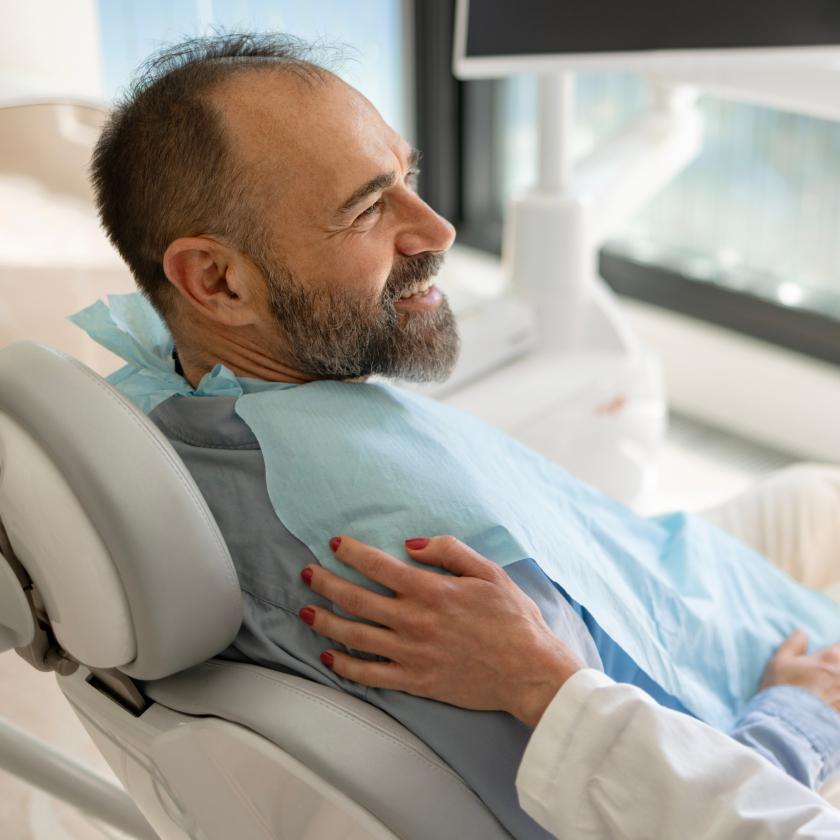
Sedation is often a great choice for adults who experience dental anxiety, have difficulty sitting still during treatment, have a sensitive gag reflex, or need extensive dental care. However, sedation is not automatically appropriate for everyone. Your medical history, medications, procedure, and overall health will be considered before a sedation plan is recommended.

Frequently Asked Questions
-
Is dental sedation safe?
Sedation can be safely used when the appropriate method is selected for the patient and administered according to established protocols. Your dental team will review your medical history, medications, and procedure beforehand and monitor you during treatment as appropriate. We also have an on-site anesthesiologist who administers IV sedation for maximum effectiveness and precaution.
-
What are the side effects of dental sedation?
Side effects depend on the type of sedation used. Patients may experience drowsiness, dizziness, nausea, headache, or temporary changes in coordination or memory. Most effects are temporary, but you should follow your personalized post-treatment instructions carefully. Should any symptoms linger past 24 hours, or you develop a fever, please let our team know.
-
Can I drive myself home after receiving dental sedation?
This depends on the type of sedation as well as the treatment you are receiving. Patients receiving nitrous oxide alone may often resume normal activities once the effects have worn off. Patients receiving oral or IV sedation should not drive themselves home and will need a responsible adult to accompany them. Our team will provide you with specific instructions before treatment.
-
Will I be completely asleep during dental sedation?
Not necessarily. Nitrous oxide and oral conscious sedation are designed to help you become deeply relaxed while remaining responsive. IV sedation can render patients unconscious, depending on the level of sedation administered. We will review this with you before you are scheduled to see us for your treatment.